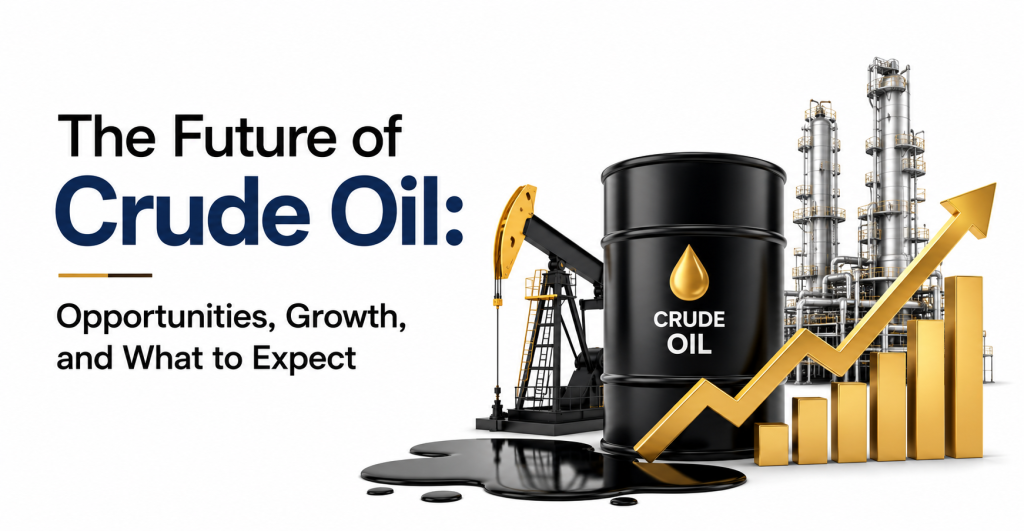

Crude oil has been one of the world’s most valuable natural resources for over a hundred years. It powers vehicles, supports industries, and helps manufacture thousands of products that people use every day. From transportation to healthcare, crude oil plays an important role in modern life. Although renewable energy is growing rapidly, crude oil is expected to remain an essential part of the global energy system for many years.
Many people think that electric vehicles and clean energy will completely replace crude oil in the near future. However, experts believe the transition will take time. While demand for traditional fuels may gradually shift, crude oil will continue to be needed in industries where alternatives remain limited. The future of oil is not just about producing more—it is about producing it more efficiently, safely, and responsibly.
Why Crude Oil Will Continue to Matter
The global population continues to increase, and developing countries are expanding their industries and transportation networks. As economies grow, the need for reliable energy also increases. Crude oil remains one of the most dependable energy sources because it is widely available, easy to transport, and used in many different sectors. Beyond fuel, crude oil is also the foundation of many products that people often use without realizing their connection to oil.
Some common products made from crude oil include:
- Petrol and diesel
- Aviation fuel
- Plastics and packaging
- Medicines
- Fertilizers
- Cosmetics
- Synthetic clothing fibers
- Lubricants
- Asphalt used for roads
Even in a future with more renewable energy, these industries will continue to require petroleum-based materials.
Future Growth Opportunities
The crude oil industry is changing with the help of modern technology. Companies are investing in smarter systems that improve efficiency while reducing environmental impact. Artificial intelligence, automation, and advanced data analysis are helping energy companies make better decisions and lower production costs. Another major opportunity comes from the growing petrochemical industry. As global demand increases for electronics, medical equipment, packaging materials, and consumer products, the need for petrochemicals is expected to grow as well. Since crude oil is one of the main raw materials used in petrochemical manufacturing, this creates long-term opportunities for the industry.
Key growth areas include:
- Artificial intelligence in oil exploration
- Smart drilling technologies
- Digital monitoring systems
- Carbon capture and storage
- Cleaner refinery operations
- Petrochemical production
- Energy infrastructure development
- Advanced logistics and supply chain management
These innovations are helping companies become more efficient while meeting stricter environmental standards.
Challenges That Could Shape the Industry
Like every major industry, crude oil also faces several challenges. Governments around the world are investing heavily in renewable energy, and electric vehicles are becoming more popular each year. Environmental regulations are also becoming stricter as countries work to reduce carbon emissions. Despite these changes, oil companies are adapting instead of standing still. Many are investing in cleaner technologies and exploring ways to reduce emissions while continuing to meet global energy demand. This shift is creating a more balanced and sustainable approach for the future.
Some of the biggest challenges include:
- Growth of electric vehicles
- Expansion of renewable energy
- Climate change concerns
- Oil price fluctuations
- Government environmental policies
- Pressure to reduce carbon emissions
These challenges encourage innovation and help drive improvements across the energy sector.
Career and Business Opportunities
The future of crude oil is creating opportunities far beyond traditional drilling jobs. As the industry becomes more technology-driven, companies need professionals with skills in engineering, data science, automation, cybersecurity, environmental management, and artificial intelligence. Businesses that provide software, robotics, inspection services, and environmental solutions are also expected to benefit from the industry’s digital transformation. This means the future of crude oil is not only about energy production but also about technology and innovation.
Promising career fields include:
- Petroleum engineering
- Data analytics
- Artificial intelligence
- Robotics
- Environmental science
- Cybersecurity
- Project management
- Supply chain management
These careers will continue to evolve as the energy industry adopts smarter and cleaner technologies.
Looking Ahead
The future of crude oil will be different from its past, but that does not mean it is coming to an end. Instead, the industry is evolving to meet changing market demands and environmental expectations. Oil is expected to remain an important part of the global energy mix while working alongside renewable energy sources such as solar, wind, and hydrogen. Companies that invest in innovation, sustainability, and digital technology are likely to lead the industry in the coming decades. Rather than focusing only on increasing production, the future will emphasize efficiency, cleaner operations, and responsible resource management.
Conclusion
Crude oil continues to play a vital role in the global economy and is likely to remain important for many years. While the energy landscape is changing, oil will still support transportation, manufacturing, healthcare, and countless everyday products. The industry’s future will depend on its ability to embrace technology, improve sustainability, and adapt to new energy trends. As the world moves toward a more diversified energy future, crude oil will continue to evolve instead of disappearing. Its greatest opportunities will come from innovation, responsible production, and its ability to work alongside emerging energy solutions.