
As urban populations expand and consumption patterns evolve, waste generation has become one of the most pressing challenges facing communities worldwide. From overflowing landfills and plastic pollution to food waste and electronic scrap, the volume and complexity of waste continue to increase. Yet within this challenge lies a remarkable opportunity. Waste management innovation is transforming how societies view discarded materials, turning waste streams into valuable resources and creating pathways toward a cleaner, more efficient future.
Today, governments, businesses, researchers, and entrepreneurs are reimagining waste management through advanced technologies, circular economy principles, and sustainable infrastructure. These innovations are not only reducing environmental impacts but also creating economic opportunities, improving public health, and enhancing resource security.
The Shift from Waste Disposal to Resource Recovery
Traditional waste management systems were primarily designed to collect and dispose of waste. However, modern approaches focus on recovering value from materials that were once considered useless. This shift represents a fundamental change in thinking.
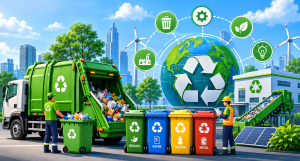
Instead of viewing waste as an end product, innovative systems treat it as a resource that can be reused, recycled, repaired, or transformed into new products. Metals, plastics, paper, glass, and organic materials can all be recovered and reintroduced into production cycles, reducing dependence on virgin resources and minimizing environmental damage.
This transition supports the development of a circular economy, where products and materials remain in use for as long as possible, significantly reducing waste generation and promoting sustainable growth.
Smart Technologies Driving Transformation
Technology is playing a crucial role in modernizing waste management practices. Smart sensors, artificial intelligence, robotics, and data analytics are making waste collection and processing more efficient than ever before.
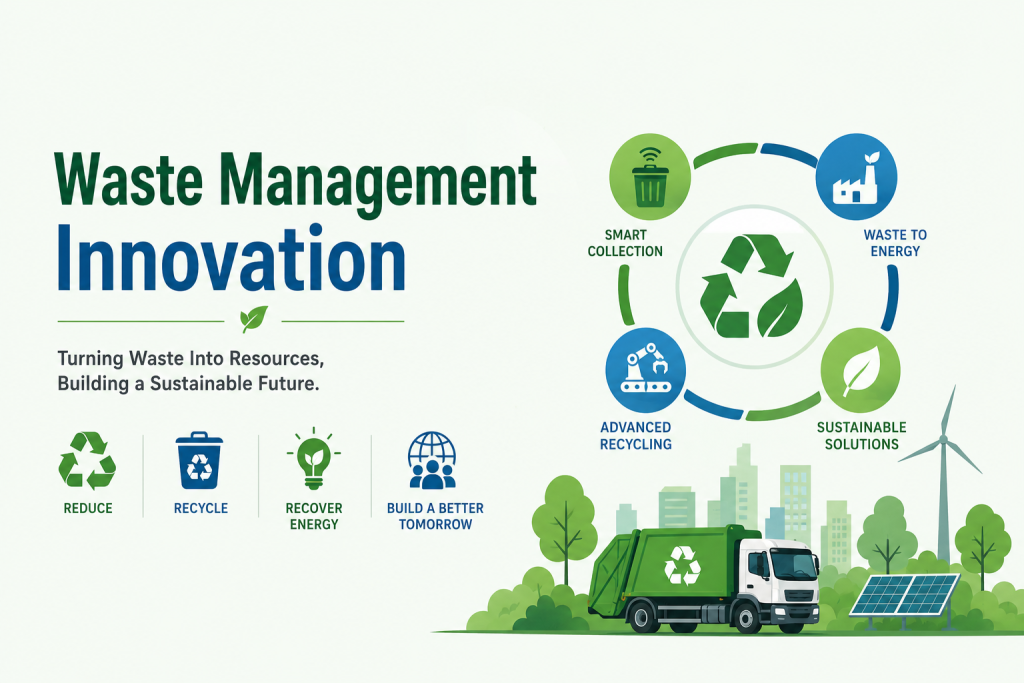
Smart bins equipped with sensors can monitor fill levels in real time, helping municipalities optimize collection routes and reduce transportation costs. AI-powered sorting systems can identify and separate recyclable materials with greater accuracy, improving recovery rates while reducing contamination.
Robotic systems are increasingly being used in recycling facilities to sort materials faster and more safely than manual processes. Machine learning algorithms can also analyze waste patterns, helping organizations predict waste generation trends and make informed operational decisions.
These digital innovations are enabling smarter cities and creating more responsive, cost-effective waste management systems.
Waste-to-Energy Solutions Creating New Possibilities
One of the most exciting developments in waste management innovation is the advancement of waste-to-energy technologies. These systems convert non-recyclable waste into usable energy through various processes, including thermal treatment, anaerobic digestion, and advanced conversion technologies.
Organic waste can be transformed into biogas, which can be used to generate electricity, heat buildings, or fuel transportation systems. Certain waste materials can also be processed into alternative fuels that reduce reliance on conventional energy sources.
Waste-to-energy facilities help decrease landfill dependency while extracting value from materials that would otherwise contribute to environmental pollution. As technology continues to improve, these solutions are becoming more efficient and environmentally responsible.
Tackling Plastic Waste Through Innovation
Plastic waste remains one of the most visible environmental concerns worldwide. Fortunately, innovation is opening new opportunities for addressing this challenge.
Advanced recycling technologies are enabling the processing of plastics that were previously difficult or impossible to recycle. Chemical recycling methods can break down plastic waste into its basic components, allowing materials to be reused in the production of new products.
Biodegradable and compostable alternatives are also gaining attention as businesses seek sustainable packaging solutions. Researchers are developing materials derived from natural sources that can reduce long-term environmental impacts while maintaining product performance.
In addition, digital tracking systems are improving transparency across supply chains, helping organizations manage plastic use more effectively and support responsible recycling initiatives.
Opportunities in Organic Waste Management
Food waste and organic materials represent a significant portion of global waste streams. Innovative solutions are creating new opportunities to recover value from these resources.
Composting technologies convert organic waste into nutrient-rich soil amendments that support agriculture and landscaping. Anaerobic digestion systems produce renewable energy while generating valuable fertilizers as byproducts.
Innovative startups are also exploring ways to transform food waste into animal feed, bio-based materials, and industrial ingredients. These approaches reduce disposal costs while creating additional revenue streams and supporting sustainability objectives.
As awareness of food waste grows, businesses and municipalities are increasingly investing in technologies that maximize resource recovery and minimize environmental impacts.
The Rise of Circular Business Models
Innovation in waste management is extending beyond technology and influencing business strategies. Companies are adopting circular business models that prioritize reuse, repair, refurbishment, and material recovery.
Product-as-a-service models encourage manufacturers to maintain ownership of products throughout their lifecycle, creating incentives for durability and recyclability. Reverse logistics systems enable businesses to collect used products and recover valuable materials for future production.
These approaches help organizations reduce waste generation, strengthen customer relationships, and improve resource efficiency while supporting long-term sustainability goals.
Community Engagement and Social Impact
Successful waste management innovation requires active participation from communities. Digital platforms, educational campaigns, and reward-based recycling programs are encouraging greater public involvement in sustainability efforts.
Community-driven initiatives help increase recycling rates, improve waste segregation practices, and raise awareness about responsible consumption. Informal waste workers can also benefit from innovations that provide safer working conditions, better access to resources, and integration into formal waste management systems.
By empowering individuals and communities, innovative waste management solutions create broader social benefits while strengthening environmental outcomes.
Looking Ahead
The future of waste management lies in innovation, collaboration, and a commitment to sustainable resource use. Advances in technology, circular economy practices, and resource recovery systems are transforming waste from an environmental burden into a valuable economic asset.
As cities grow and sustainability becomes an increasingly important priority, waste management innovation will play a central role in shaping resilient communities and greener industries. Organizations that embrace these opportunities today will be better positioned to thrive in a future where efficiency, sustainability, and resource optimization are essential.
Waste is no longer simply something to be discarded. It represents an opportunity to innovate, create value, and build a more sustainable world. Through continued investment, collaboration, and technological advancement, waste management innovation can unlock solutions that benefit economies, communities, and the environment for generations to come.