
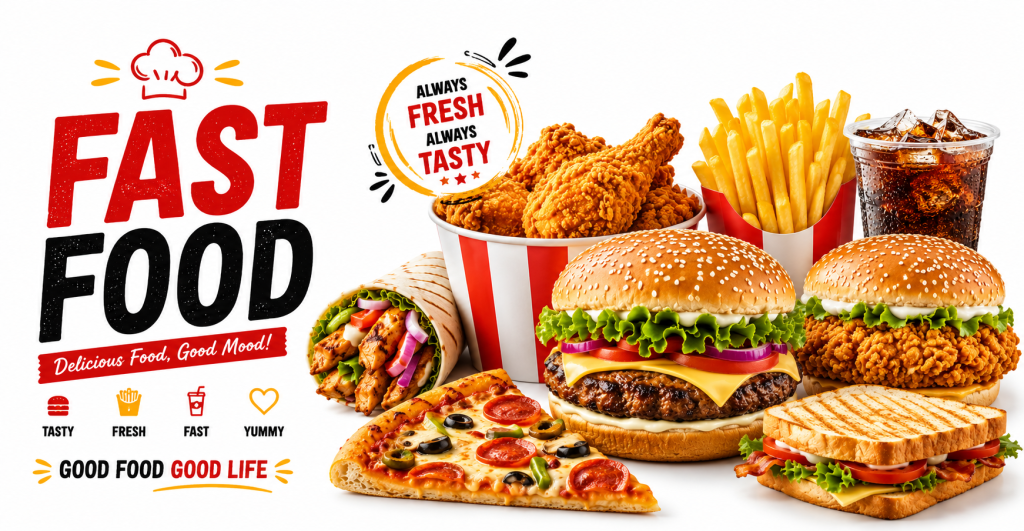

The fast food industry has transformed significantly over the past decade. What was once viewed as a convenient option for busy individuals has now become a major contributor to the global food service economy. Changing consumer habits, digital innovation, urban lifestyles, and increasing demand for quick meal solutions are driving steady growth across the sector.
Today, fast food is no longer limited to burgers and fries. Customers are looking for healthier choices, regional flavors, personalized meals, and faster delivery services. Businesses that understand these changing preferences are finding new ways to expand their customer base and improve profitability. For entrepreneurs, investors, and restaurant owners, the fast food market offers opportunities that extend far beyond traditional dining. From cloud kitchens and delivery-only brands to sustainable packaging and digital ordering, the industry continues to evolve with consumer expectations.
Understanding the Modern Fast Food Market
The definition of fast food has changed dramatically in recent years. Modern consumers value convenience, but they also expect quality, affordability, hygiene, and variety. Restaurants are responding by introducing fresh ingredients, customizable menus, and technology-driven services that make ordering easier than ever. Mobile applications, digital payment systems, and online delivery platforms have become essential parts of the customer experience. This shift has allowed both international brands and local businesses to compete in the same market, creating healthy competition and encouraging innovation.
Factors Driving Industry Growth
Urban Lifestyle and Time Constraints
One of the biggest reasons behind the industry’s expansion is the changing lifestyle of consumers. People working long hours often prefer meals that require little waiting time. Students, office employees, and families increasingly rely on quick-service restaurants because they provide consistent quality with minimal preparation time. As cities continue to grow, the demand for convenient food options is expected to remain strong.
Rising Disposable Income
Higher household incomes have changed spending habits. Many consumers now treat restaurant meals as part of their regular lifestyle rather than occasional luxury purchases. This trend has encouraged restaurants to expand into new cities and introduce premium menu options. Growing middle-class populations in developing economies continue to create fresh demand for affordable dining experiences.
Expansion of Food Delivery Services
- Online food ordering has reshaped the fast food business.
- Customers can browse menus, compare prices, and receive meals within minutes without leaving their homes.
- Delivery services have also helped smaller restaurants reach larger audiences without investing heavily in expensive dining spaces.
- For many businesses, online orders now contribute a significant share of total revenue.
Digital Technology Is Transforming Operations
Technology has become one of the strongest competitive advantages in the industry. Restaurants now use digital solutions to improve efficiency and customer satisfaction.
Common innovations include:
- Mobile ordering
- Contactless payments
- Digital loyalty programs
- Self-service kiosks
- Smart inventory management
- Automated kitchen equipment
- AI-powered order recommendations
Investment Opportunities Beyond Restaurants
The growth of the fast food industry has also created opportunities across several supporting sectors. Businesses involved in food packaging, cold storage logistics, supply chain management, commercial kitchen equipment, restaurant software, digital payment technology, delivery management solutions, and food marketing services are benefiting from the industry’s continued expansion. As more restaurants open and existing businesses scale their operations, demand for these supporting services is expected to increase, creating additional investment opportunities throughout the food ecosystem.
Emerging Business Opportunities
The continued expansion of the fast food industry has created numerous opportunities for entrepreneurs and investors. One of the fastest-growing business models is the cloud kitchen, which operates exclusively through online food delivery without maintaining a traditional dine-in space. This approach significantly reduces startup costs, lowers rental expenses, requires fewer employees, and allows businesses to expand into multiple locations more efficiently. As online food ordering continues to grow, cloud kitchens are becoming an increasingly attractive option for new restaurant ventures.
Another promising opportunity lies in healthy fast food brands. Consumers are becoming more health-conscious and actively seeking meals that combine convenience with nutrition. Restaurants that focus on balanced meals, fresh ingredients, transparent nutritional information, and healthier cooking methods are attracting a wider customer base. What was once considered a niche market has now become an important segment of the fast food industry with strong long-term growth potential.
Changing Consumer Preferences
Consumer preferences in the fast food industry are evolving rapidly as people become more conscious of what they eat and how their food is prepared. While speed and convenience remain important, modern customers also expect healthier ingredients, better nutritional value, and personalized meal options. Many consumers are choosing high-protein meals, fresh salads, plant-based dishes, vegan alternatives, low-calorie menu options, and fresh beverages over traditional fast food items. There is also growing demand for regional specialties and customizable meals that allow customers to tailor their orders according to their tastes and dietary needs. Restaurants that continuously refresh their menus and adapt to changing consumer expectations are more likely to build customer loyalty and maintain long-term growth.
Technology Creating New Revenue Streams
Technology has become one of the most important drivers of growth in the fast food industry. Restaurants are investing in digital tools that improve customer engagement, streamline operations, and increase sales. Mobile loyalty programs, personalized promotions, digital ordering systems, customer feedback platforms, optimized online menus, and data-driven pricing strategies help businesses better understand customer preferences while improving the overall dining experience. By using technology to deliver personalized services and efficient operations, restaurants can strengthen customer relationships and encourage repeat business.