
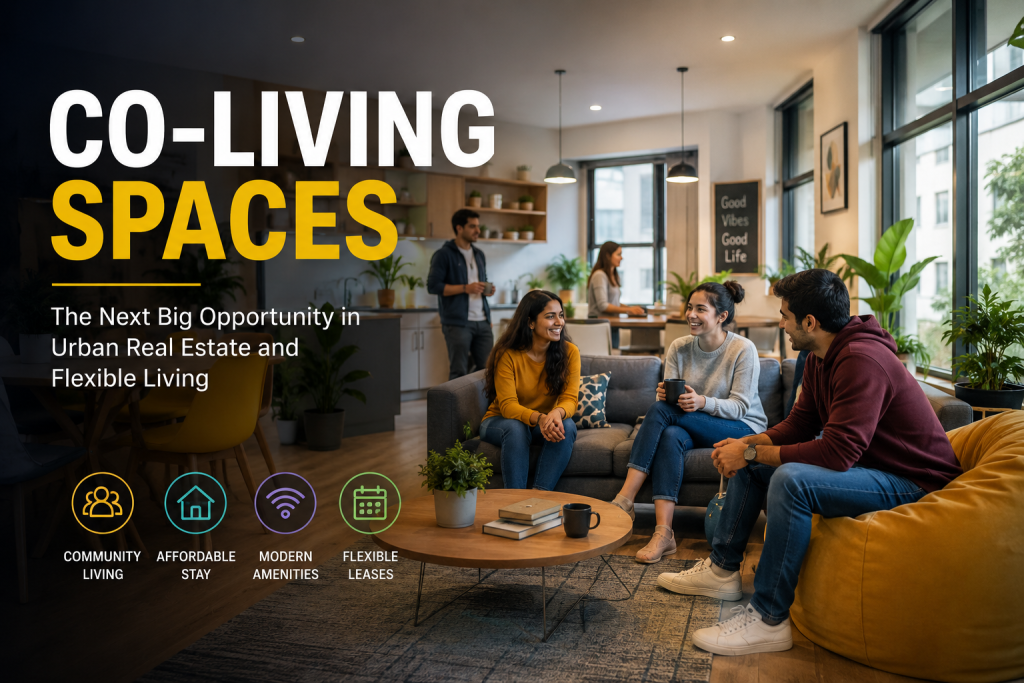

As housing costs continue to rise and urban lifestyles evolve, co-living spaces are emerging as one of the most promising opportunities in the real estate and rental housing industry. Designed for young professionals, students, remote workers, and digital nomads, co-living combines private living areas with shared amenities, creating affordable, community-driven housing solutions.
With rapid urbanization, increasing workforce mobility, and growing demand for flexible rental options, co-living is transforming how people live in major cities worldwide. Investors, developers, property management companies, and proptech startups are increasingly recognizing this segment as a high-growth business opportunity.
What Are Co-Living Spaces?
Co-living is a modern housing concept where residents have private bedrooms while sharing common spaces such as kitchens, lounges, workspaces, gyms, and recreational areas. Unlike traditional paying guest accommodations or rental apartments, co-living operators typically provide:
- Fully furnished rooms
- Housekeeping services
- High-speed internet
- Utility-inclusive rent
- Community events
- Flexible lease agreements
- Digital booking and management
The model offers convenience, affordability, and a built-in social community, making it particularly attractive to Millennials and Generation Z.
Why Co-Living Is Becoming a Major Opportunity
Rising Urban Migration
Millions of students and professionals relocate every year for education and employment. Finding affordable, furnished accommodation remains one of the biggest challenges in metropolitan cities.
Co-living operators simplify this process by offering ready-to-move-in homes with flexible rental terms.
Increasing Housing Costs
Buying property has become increasingly difficult in many global cities.
Instead of committing to expensive long-term leases or mortgages, younger residents are choosing affordable shared living options that reduce monthly housing expenses.
Growth of Remote and Hybrid Work
The rise of hybrid work has significantly changed housing preferences.
Modern co-living spaces now include:
- Dedicated coworking areas
- Meeting rooms
- Private work pods
- High-speed internet
- Community networking events
This combination of living and working makes co-living highly attractive to freelancers, startups, and remote professionals.
Demand for Flexible Living
Today’s workforce values flexibility more than ownership.
Instead of signing year-long rental agreements, residents increasingly prefer:
- Monthly rentals
- Short-term stays
- Easy relocation
- Digital onboarding
- App-based rental management
This flexibility has become one of the biggest selling points for co-living operators.
Key Drivers Behind Market Growth
Several long-term trends are supporting the expansion of co-living spaces:
- Rapid urbanization
- Rising rental prices
- Growing single-person households
- Digital nomad culture
- Hybrid work adoption
- Increased migration for jobs
- Student mobility
- Growth in proptech platforms
- Demand for community-focused lifestyles
- Institutional investment in alternative real estate assets
Industries Benefiting from Co-Living
The growth of co-living extends beyond real estate.
Major beneficiaries include:
Real Estate Developers
Purpose-built rental housing projects are increasingly incorporating co-living concepts to maximize occupancy and rental yields.
Property Management Companies
Technology-driven property management has become essential for handling bookings, maintenance, payments, and resident engagement.
PropTech Startups
Startups are developing platforms for:
- Digital leasing
- Smart access control
- Tenant management
- AI-powered pricing
- Resident communication
Interior Design Firms
Demand is growing for modular furniture, multifunctional spaces, and community-centric layouts.
Smart Home Technology Providers
IoT-enabled security, energy management, and access systems are becoming standard features in premium co-living developments.
Technology Is Transforming Co-Living
Technology plays a central role in improving resident experiences.
Key innovations include:
- AI-powered tenant matching
- Mobile-based room booking
- Contactless entry systems
- Smart utility monitoring
- Digital rent payments
- Predictive maintenance
- Community engagement apps
- Automated visitor management
- Virtual property tours
These technologies help operators reduce costs while improving customer satisfaction.
Investment Opportunities
Co-living offers multiple investment avenues.
Residential Real Estate
Developers can convert underutilized residential properties into managed co-living facilities.
Student Housing
University cities continue to experience strong demand for professionally managed accommodation.
Corporate Housing
Companies increasingly require short-term accommodation for relocating employees and project teams.
Mixed-Use Developments
Modern mixed-use buildings combine:
- Residential units
- Coworking spaces
- Retail outlets
- Fitness centers
- Cafés
This integrated approach improves occupancy and enhances resident experiences.
Emerging Trends in Co-Living
Several trends are shaping the next generation of co-living spaces.
Wellness-Focused Communities
Developments now include:
- Fitness centers
- Meditation rooms
- Healthy dining options
- Outdoor spaces
- Mental wellness programs
Sustainable Living
Eco-friendly initiatives include:
- Solar power
- Water conservation
- Energy-efficient appliances
- Recycling programs
- Green building materials
AI-Powered Operations
Artificial intelligence is helping operators optimize:
- Dynamic pricing
- Maintenance scheduling
- Energy consumption
- Customer support
- Occupancy forecasting
Lifestyle-Based Communities
Rather than serving everyone, operators are increasingly building niche communities for:
- Entrepreneurs
- Digital nomads
- Women professionals
- Students
- Creators
- Senior citizens
These specialized communities enhance engagement and resident retention.
Challenges Facing the Industry
Despite its strong growth potential, co-living operators face several challenges.
These include:
- Regulatory compliance
- Property zoning restrictions
- Operational costs
- Resident turnover
- Data privacy concerns
- Maintaining community engagement
- Competition from traditional rentals
- Economic fluctuations affecting occupancy
Addressing these issues will be essential for sustainable long-term growth.
Future Outlook
The future of co-living appears highly promising as urban populations expand and flexible lifestyles become the norm. Demand is expected to increase across major metropolitan regions, driven by younger generations seeking affordability, convenience, and meaningful social connections.
At the same time, advances in property technology, smart building management, and AI-powered operations will make co-living spaces more efficient and attractive for both residents and investors. Recent developments, including expansion in Indian technology hubs and investment in digital property management platforms, further highlight the sector’s momentum.
Conclusion
Co-living spaces are redefining modern urban housing by combining affordability, flexibility, and community into a single living experience. As cities become denser and lifestyles continue to evolve, this model is creating new opportunities for real estate developers, investors, technology providers, and service companies.
Businesses that invest in technology-enabled, resident-focused, and sustainable co-living solutions today are well positioned to benefit from one of the fastest-evolving segments of the global housing market.